Ads
Ramen, tempura, and other Japanese classics: traveling through Japan is a journey for the senses. From the lights of Tokyo to the temples of Kyoto, every corner offers a story told not only through words, but through flavors.
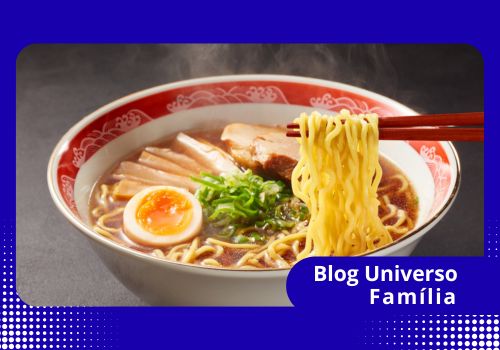
And it is precisely in Ramen, tempura, and other Japanese classics where the essence of that culinary narrative that fascinates the entire world is found.
Summary
- Introduction: Japan through the palate
- The living history behind ramen
- Tempura: the art of perfect batter
- Other Japanese classics you should try
- Culture, respect and precision at the Japanese table
- Where to enjoy authentic flavors on your trip
- Conclusion: Beyond the Plate
- Frequently Asked Questions
Japan through the palate
Can a dish tell the story of a country? In Japan, the answer is yes.
Japanese cuisine is not just a way of eating, but a philosophy that reflects respect, balance, and connection with nature.
Ads
Therefore, understand Ramen, tempura, and other Japanese classics It is, in reality, understanding its cultural soul.
Gastronomic tourism in Japan has grown exponentially in recent years.
According to data from the Japan National Tourism Organization (JNTO), 72% of foreign visitors in 2024 considered Japanese food one of the main reasons for traveling to the country.
This figure shows how cooking has become as much of an experience as visiting Mount Fuji or walking through Shibuya.
The living history behind ramen
Ramen wasn't born in Japan, but the country transformed it into an art form.
Of Chinese origin, it arrived in Japan at the beginning of the 20th century and was enthusiastically adopted, reinventing itself in each region.
Today there are dozens of variants: tonkotsu from Fukuoka, miso from Sapporo, shoyu from Tokyo, or shio from Hakodate.
Each bowl tells a story.
He ramen It combines technique, tradition and modernity: broth cooked for hours, fresh wheat noodles, pork or chicken, marinated egg and a touch of seaweed or chives.
No two ramen are the same, and that's where the magic lies.
A perfect example is the Ichiran Ramen, famous for his individual experience.
Each customer eats in their own booth, focusing entirely on the flavor.
This idea of enjoying without distractions represents a central value of Japanese culture: the pursuit of perfection in simplicity.
Tempura: the art of perfect batter
Light, crispy, and almost ethereal. Tempura, though also having foreign roots (introduced by Portuguese missionaries in the 16th century), was perfected by the Japanese to become an emblem of culinary elegance.
The secret is in its preparation: clean oil, exact temperature (around 170°C) and a mixture of flour and cold water that is beaten just enough to retain the air.
This is how you achieve that fine, golden coating that surrounds shrimp, squash, or eggplant.
In Tokyo, the experience of eating tempura can be almost ceremonial.
Restaurants like Tempura Kondo, with two Michelin stars, show how such a simple dish can be elevated to an artistic expression.
Tempura isn't accompanied by strong sauces or hidden behind condiments; it's savored in silence, appreciating the texture and sound of the first bite.
Other Japanese classics you should try
Although ramen and tempura They are icons; Japan offers a surprising culinary diversity. Among the most beloved classics are:
| Dish | Brief description | Featured Region |
|---|---|---|
| Sushi | Vinegared rice with fresh fish or vegetables. | Tokyo (Edomae sushi) |
| Okonomiyaki | Savory pancake with cabbage, meat or seafood, prepared on a griddle. | Osaka and Hiroshima |
| Takoyaki | Dough balls with chunks of octopus, crispy on the outside and soft on the inside. | Osaka |
| Yakitori | Charcoal-grilled chicken skewers, typical of izakayas. | Throughout Japan |
| Tonkatsu | Breaded and fried pork fillet, accompanied by cabbage. | Nagoya |
Each one reflects a different part of the Japanese character: precision, simplicity, and respect for ingredients.
A useful analogy would be to imagine Japanese cuisine as a Zen garden: each element seems minimal, but its position and balance generate total harmony.
Read more: The most famous traditional desserts in the world
Culture, respect and precision at the Japanese table
Eating in Japan is also an act of respect.
From giving a slight bow before receiving the plate to uttering the classic “Itadakimasu” a way of thanking the person who prepared the food and nature—everything is imbued with gratitude.
Visitors should be aware that there are certain basic cultural rules: never stick your chopsticks in your rice, do not transfer food from one chopstick to another (as this is associated with funeral rituals), and avoid talking with your mouth full.
But beyond the label, what captivates is the attention to detail.
In Japan, presentation is part of the flavor. Each dish is served as a visual masterpiece, where color, shape, and arrangement matter as much as taste.
Where to enjoy authentic flavors on your trip
Today, travel to try Ramen, tempura, and other Japanese classics It has become a global trend. The most popular food tours include:
- Tokyo: The epicenter of culinary innovation. More Michelin-starred restaurants are concentrated here than any other city in the world. From street food in Shinjuku to gourmet temples in Ginza, the offerings are endless.
- Osaka: considered “the cuisine of Japan”. Its popular slogan “kuidaore” —eat until you drop—sums up the local passion for food.
- Kyoto: Ideal for lovers of tradition. Its kaiseki, carefully coordinated multi-course menus, represent the pinnacle of Japanese elegance.
- Sapporo: birthplace of miso ramen and famous for its Snow Festival, where warm dishes provide comfort among ice sculptures.
A current example: in 2025, the Michelin Guide Japan He highlighted that more than 30 of his new % award winners are young chefs who fuse classic techniques with sustainable innovation, such as the use of local seaweed and organically grown produce.
Beyond the plate
Discover Ramen, tempura, and other Japanese classics It's not just about eating, but about understanding a philosophy: the beauty of everyday life.
In every spoonful of broth or every piece of tempura lies the dedication of those who value time, silence, and harmony.
The modern tourist isn't just looking to satisfy their hunger, but to experience memorable experiences. Japan offers exactly that: a profound connection between food, history, and emotion.
Conclusion
Explore Ramen, tempura, and other Japanese classics It's a way to get to know the country beyond its landscapes. Each dish opens a door to the past and present, to tradition and innovation.
If there's one thing Japan teaches travelers, it's that food can be a bridge between cultures.
And in an increasingly fast-paced world, sitting down to a simple bowl of ramen can remind us of the value of calm and respect.
Read more: Japanese cuisine: much more than sushi
Frequently Asked Questions
1. What is the best time to enjoy Japanese cuisine?
Spring (March to May) and autumn (September to November) are ideal, as seasonal ingredients such as crab, bamboo, and wagyu are at their best.
2. Is Japanese ramen spicy?
Generally, no, although some regions, such as Sendai or Fukuoka, offer more intense versions. You can ask for "karai" (spicy) if you like.
3. Where can you learn to cook tempura or ramen in Japan?
Cities like Tokyo and Kyoto have cooking schools for tourists, where visitors can prepare their own dishes under the guidance of local chefs.
4. Is Japanese food expensive?
It depends on the location. Ramen can cost as little as 900 yen (about $6 USD), while a kaiseki dinner can cost over $200 USD. Japan offers options for all budgets.
In short, who travels to discover Ramen, tempura, and other Japanese classics Don't just taste food: savor it culture, history and respect.
And that's an experience that stays with you long after you return home.