Ads
French gastronomy: elegance and flavor It always appears among the topics that arouse global curiosity for uniting refined technique, historical tradition and deeply preserved cultural identity.
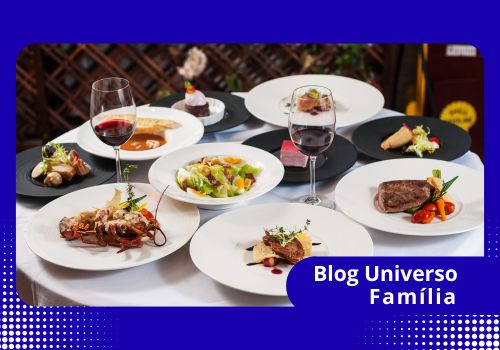
Before moving on, it's worth reviewing a brief summary: the pillars that support French cuisine, its emblematic ingredients, and key international statistics.
Two examples of its everyday presence, an analogy to understand its impact, a table with essential elements and answers to frequently asked questions.
Isn't it useful to understand why this culinary style maintains a prestige that spans generations?
A perspective that combines technique, culture, and sensitivity
French cuisine was never limited to sophisticated recipes; it represents a way of interpreting the world through food.
Ads
Those who decide to explore its universe soon discover that tradition and modernity coexist without conflict.
The French approach seeks a balance between flavor, texture and aesthetics, as well as promoting a deep respect for local products and the seasons.
When we talk about French gastronomy: elegance and flavorIt is a heritage built over centuries, strengthened by chefs, schools, regions, and cultural movements that, although different, share the same essence:
Cooking as an act of precision and sensitivity.
According to UNESCO, which included French gastronomic cuisine on the List of Intangible Cultural Heritage of Humanity, this tradition integrates rituals, techniques, and socialization, elements that explain its global impact.
Origins that built a solid culinary identity
Each French region developed its own practices.
Brittany was known for its seafood; Provence, for its aromatic herbs; Alsace, for its Germanic influences; and Burgundy, for its careful use of wine.
The technique was formalized in the 17th century, when cooks from royal households systematized recipes and methods, creating foundations that are still in use today.
This development was so significant that, according to the World Tourism Organization, France remained among the three most visited countries in the world until 2024, partly thanks to gastronomic tourism, a fact that confirms the cultural and economic importance of its cuisine.
Elegance born from absolute attention to detail
The elegance of French cuisine is not limited to aesthetic presentation.
Rather, it arises from technical decisions that prioritize precision: standardized cuts, controlled cooking, classic bases, carefully reduced broths, and a measured balance between acidity, fat, and freshness.
This style does not seek excess or drama; it pursues sobriety and harmony, something that many cooks compare to composing a piece of music.
Here's a useful analogy: just as an orchestra depends on the harmony between each instrument, a French dish depends on the perfect interaction between ingredients and techniques.
When one element loses its tone, the entire set becomes unbalanced.
A flavor that reveals history, seasonality, and technique
The fame of the French gastronomy: elegance and flavor It is linked to the idea that each dish tells a story.
France valued simple ingredients from an early age —butter, fresh herbs, cheeses, vegetables and wine— and transformed them through techniques that amplify their complexity.
The strength of this gastronomy lies in its respect for the natural cycle:
Using tomatoes only when they are ripe, taking advantage of asparagus at its best, and understanding that flavor depends on seasonality is a principle that has guided decisions for decades.
Example 1
A gastronomy professor in Lyon explains to his students how a simple leek, cooked slowly in butter, can reveal enough sweetness and depth to become the star of a whole dish.
The lesson often surprises beginners, because it demonstrates that technique—more than luxury—is what defines the result.
Example 2
In a small bakery in Toulouse, a craftswoman decided to revive the traditional 48-hour natural fermentation method.
Customers comment that the resulting bread maintains an intense aroma, a lighter texture, and superior digestibility, in contrast to industrialized products.
The practice illustrates how tradition and innovation can coexist without losing quality.
Essential ingredients that make all the difference
In a small bakery in Toulouse, a craftswoman decided to revive the traditional 48-hour natural fermentation method.
Customers comment that the resulting bread retains an intense aroma, a lighter structure, and superior digestibility, in contrast to industrialized products.
The practice illustrates how tradition and innovation can coexist without losing quality.
Table: Key elements of French cuisine
| Element | Main feature | Typical use |
|---|---|---|
| French butter | High fat content and dairy flavor | Sauces, stir-fries, pastries |
| Herbs de Provence | Regional aromatic blend | Meats, stews, vegetables |
| Camembert | Intense flavor and creamy texture | Platters, gratins, sandwiches |
| Burgundy red wine | Fruity notes and balanced acidity | Reductions, marinades, coq au vin |
The table reinforces how a few elements, when applied correctly, can transform simple preparations into elaborate experiences.
Read more: Italian cuisine: the most iconic recipes
Global influence and permanence in contemporary culture
French cuisine remains relevant in 2025 for several reasons.
French culinary training remains a benchmark for schools around the world, including in Latin America, where numerous chefs maintain constant exchanges with Lyon, Paris, and Nice.
In addition, small-format French restaurants have become a trend in cities like Mexico City, Monterrey, and Guadalajara, incorporating modern reinterpretations with local ingredients.
Another key aspect is media coverage: cooking shows, documentaries and competitions have increased the visibility of the French technique, which adapts easily to the contemporary context.
Without losing their identity, chefs are innovating by reducing the use of fats, increasing the presence of vegetables, and adopting more sustainable techniques.
Why does it continue to lead in global recognition?
The answer combines tradition, method, and coherence.
French cuisine built such a solid technical foundation that it ended up becoming a universal language for cooks.
Terms like “roux”, “mirepoix” and “chiffonade” appear in professional kitchens in many countries because they represent precise standards of preparation.
That legacy also reflects a commitment to reliability, a core value within the EAT concept.
For decades, French chefs shared knowledge in books, schools, and programs, building an authority recognized by critics and institutions.
Furthermore, French gastronomy stands out for its attention to the traceability of ingredients, since controlled designations of origin guarantee authenticity and prevent fraud, an essential aspect for consumers seeking quality and food safety.
Tips for enjoying French cuisine without complications
Exploring this universe doesn't require traveling or mastering complex techniques. Some practices can help:
Prioritize fresh, seasonal ingredients.
Try simple recipes before moving on to more elaborate preparations.
Appreciate well-made cuts: visual stability improves the final result.
Use the right wine: a small amount can transform the flavor.
Practice patience: a slow reduction is part of the process.
Small decisions, when aligned with French principles, make a difference and offer a more authentic experience.
Conclusion: a heritage that evolves without losing its essence
The French gastronomy: elegance and flavor It remains relevant because it respects tradition while being open to new things.
Its cultural relevance stems not only from the recipes, but from a way of understanding the act of cooking that integrates emotion, technique, and conviviality.
In a world that seeks more conscious and personalized experiences, French cuisine remains a reliable and inspiring guide.
Read more: Typical Mexican dishes you can't miss
Frequently Asked Questions
Is French gastronomy still the most influential in the world?
It continues to be among the most relevant thanks to its technical structure and international prestige, although today it shares the spotlight with cuisines such as Italian, Japanese and Mexican.
Is it difficult to cook in the French style?
Not necessarily. Many classic recipes are simple and rely more on patience than advanced skills.
Which dishes best represent this tradition?
Coq au vin, quiche lorraine, ratatouille and crème brûlée are popular references, although each region preserves emblematic preparations.
Do I need imported ingredients to prepare French recipes?
Not always. Many dishes can be adapted with local products, as long as the technique and balance are maintained.