Ads
Safety tips for family safaris It is the first search that responsible mothers and fathers perform when considering this type of trip.
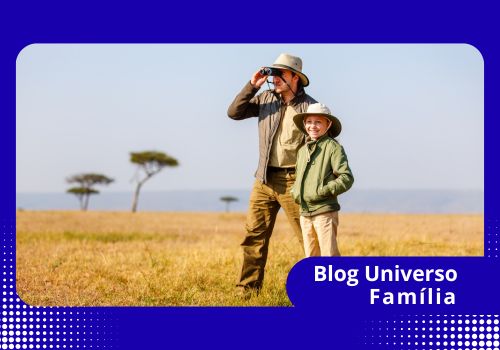
It's not about fear, but about intelligent preparation.
A well-planned safari combines adventure, learning, and tranquility, provided that safety is central from the start.
Before moving forward, it is worth reviewing the summary that guides this reading: why security defines the experience, how to choose reliable operators.
What real risks exist and how to prevent them, relevant official data, two current examples, a clear analogy to understand the process, a practical table of recommendations and, at the end, answers to frequently asked questions.
Ads
Safety as the foundation of a positive experience
A family safari doesn't work like an impromptu excursion.
The presence of children requires clear protocols, informed decisions, and absolute respect for the rules of the natural environment.
Safety tips for family safaris They don't seek to limit the adventure, but to ensure that every moment is experienced with confidence.
Africa has highly regulated national parks and certified guides who receive ongoing training.
Even so, safety begins before the trip, in the selection of the destination, the operator and the type of safari appropriate for each age.
Traveling informed reduces real risks and eliminates unfounded fears.
Choosing certified operators and guides makes all the difference
The first layer of protection is in the hands of professionals. A reliable operator works with official licenses, authorized vehicles, and local guides trained in first aid and animal behavior.
An attractive price or impressive photos aren't enough. It's crucial to verify affiliations with national tourism organizations and consistent reviews from other families.
An experienced guide doesn't just point out animals; he anticipates situations, controls distances, and explains rules clearly, even to the youngest children.
When the family understands why certain rules apply, cooperation flows naturally.
Health and prevention: a topic that cannot be neglected
Talking about health doesn't imply alarmism. It implies responsibility.
According to the World Health Organization (WHO), in its most recent report, In 2023, approximately 608,000 malaria deaths were recorded globally., concentrated mainly in sub-Saharan Africa.
This information is not intended to generate fear, but to underline the importance of prevention.
Recommended vaccines, prophylaxis prescribed by a doctor, and consistent use of repellent significantly reduce the risk.
In addition, many lodges have mosquito nets, sanitary protocols, and quick access to medical services.
A prior consultation with a travel medicine specialist remains one of the Safety tips for family safaris most important.
Rules within the safari: small actions, big impact
During the journey, behavior defines safety.
Staying inside the vehicle, avoiding sudden movements, and respecting the guide's instructions protects both the family and the wildlife.
Nature doesn't work like a zoo. Animals react to real stimuli.
For that reason, shouting, putting limbs out of the vehicle, or trying to get the animals' attention is prohibited.
The experience improves when each member understands that observing in silence is also part of the adventure.
Two real-world examples of security applications
To understand how these principles work in practice, it is enough to observe two current and common situations:
Example 1:
A family travels to Kruger National Park with children aged 7 and 10.
The operator assigns a guide specialized in family safaris, explains the rules before starting and adapts the duration of the tours.
Thanks to this planning, the children enjoy themselves without getting tired and the parents maintain peace of mind throughout the trip.
Example 2:
In Kenya, a family chooses a lodge near Masai Mara that has basic nursing and direct communication with regional hospitals.
Although no emergency arises, the existence of this support generates confidence and allows one to fully enjoy the safari.
Both cases demonstrate that well-managed security does not diminish excitement; it enhances it.
The analogy that explains everything
A safe safari is like crossing a well-built suspension bridge. The excitement is there, the scenery is breathtaking, but the sturdy structure allows you to move forward without fear.
The Safety tips for family safaris They function like that bridge: they don't eliminate adrenaline, they sustain it.
When every decision is based on information and experience, the journey flows naturally.
What to pack and how to prepare before leaving
Practical preparation avoids improvisation. Neutral-colored clothing, comfortable shoes, sunscreen, hats, and reusable water bottles are part of the basic equipment.
Binoculars allow you to observe without getting too close, while a small first aid kit provides additional peace of mind.
It is advisable to explain to children, before the trip, what they can expect and what behaviors are required.
That prior conversation reduces anxiety and fosters cooperation.
Safety is also taught.
Practical table: essential safety recommendations
| Key area | Main recommendation | Direct benefit |
|---|---|---|
| Tour operator | Verify licenses and family experience | Risk reduction |
| Health | Vaccinations and prior medical consultation | Effective prevention |
| Behavior | Respect the guide's rules | Total security |
| Accommodation | Certified and safe lodges | Tranquillity |
| Child preparation | Explain rules before the trip | Better experience |
This synthesis brings together the Safety tips for family safaris most relevant and applicable in 2025.
Read more: 10 tips for stress-free travel with children
Technology and communication in remote areas
Although safaris offer a chance to disconnect, communication remains important. Many parks have radio, satellite phones, and emergency systems.
Choosing accommodations with documented contingency plans provides an additional layer of confidence.
In addition, sharing the itinerary with family members and having comprehensive travel insurance makes any unforeseen issues easier.
Prevention does not interrupt the experience; it supports it.
Emotional impact of feeling safe
When safety is ensured, attention is freed. Parents observe calmly, children ask questions with curiosity, and the experience becomes meaningful.
Isn't that the whole point of a family trip?
The feeling of control allows you to enjoy the environment without constant tension.
That's why, the Safety tips for family safaris They are not a preliminary step, but an emotional investment.
Conclusion: Safety as an ally of adventure
A successful family safari doesn't depend on luck. It depends on informed decisions, responsible operators, and careful preparation.
Safety tips for family safaris They represent the foundation upon which an authentic, educational, and memorable experience is built.
In 2025, traveling to Africa with children will become increasingly accessible and safe, provided that the rules of the environment are respected and prevention is prioritized.
Adventure doesn't disappear when there is security; it is enjoyed more fully.
Read more: Safari in Africa: adventure and nature for the whole family
Frequently asked questions about safety on family safaris
Is a safari dangerous for children?
No, provided that regulated parks and certified operators that respect family protocols are chosen.
Is vaccination mandatory before traveling?
It depends on the destination, but many vaccines and preventative measures are highly recommended. A specialist doctor should advise on each case.
Do animals get too close to vehicles?
The guides control distances and situations. Staying inside the vehicle significantly reduces risks.
What is the minimum recommended age for a safari?
Generally from 6 or 7 years old, although it varies depending on the park and the type of route.
Is it worth investing more in a well-known operator?
Yes. The experience, safety, and peace of mind for the family justify the investment.
Traveling informed transforms worry into confidence.
With proper preparation, a family safari becomes a safe, enriching, and unforgettable experience.