Ads
Benefits of the Mediterranean diet It is an expression that appears more and more frequently when talking about health, longevity and quality of life.

It did not arise by chance or from passing trends. It is a widely studied dietary model with deep cultural roots and consistent results over time.
In 2025, it remains one of the most solid references when looking to eat better without sacrificing pleasure or social context.
Before proceeding, it is worth reviewing a brief summary that guides the reading: what the Mediterranean diet really is, why it remains relevant today, what its main evidence-backed benefits are, and how its key foods act on the body.
A relevant scientific fact, a clear analogy to understand its long-term impact, a practical table, and answers to the most common questions.
Ads
What defines the Mediterranean diet today?
More than a strict diet, the Mediterranean diet functions as a pattern of eating and lifestyle.
It originated in Mediterranean regions such as Greece, Italy and Spain, where food has always been linked to the territory, the season and coexistence.
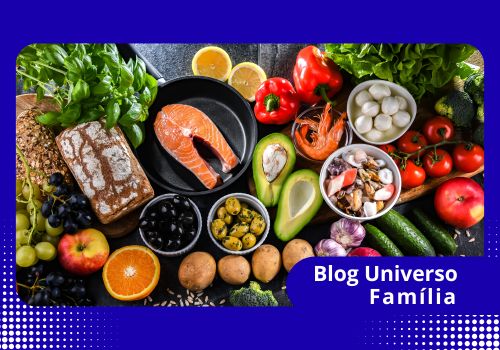
Its base consists of vegetables, fruits, legumes, whole grains, extra virgin olive oil, fish and nuts.
The consumption of red meat and ultra-processed products remains low, while home cooking and simple preparations take center stage.
Talk about Benefits of the Mediterranean diet It involves understanding that it's not just about nutrients, but about sustainable habits that are maintained over time without causing physical or mental strain.
Why it remains relevant in 2025
In an era marked by extreme diets, unnecessary restrictions and quick fixes, this model stands out for its balance.
It does not require eliminating entire food groups or relying on supplements.
Furthermore, it adapts easily to different countries, including Mexico, where ingredients such as beans, fresh vegetables, fish, seeds and quality vegetable oils are part of the everyday pantry.
This cultural flexibility explains its enduring presence compared to other approaches that quickly become obsolete.
A natural question then arises for those seeking to improve their diet: does it make sense to complicate things when there is a proven, flexible, and enjoyable pattern?
Benefits supported by scientific evidence
One of the pillars of this model's credibility is scientific research. It does not rely on vague promises or isolated testimonials.
The PREDIMED study, published in The New England Journal of Medicine, showed that people who followed a Mediterranean diet supplemented with extra virgin olive oil or nuts presented a reduction of nearly 30% in the risk of major cardiovascular events.
Compared to a low-fat diet. This statistic continues to be cited in current clinical guidelines due to its methodological rigor.
From this and other studies, consistent benefits are observed in heart health, metabolic control, reduction of chronic inflammation, and support of cognitive function over the years.
How your food affects your body
The Benefits of the Mediterranean diet They don't come from a single "miracle" ingredient. Their strength lies in the intelligent combination of foods that work in a complementary way.
Extra virgin olive oil provides monounsaturated fats and phenolic compounds associated with less inflammation.
Vegetables and fruits provide fiber, antioxidants, and essential micronutrients. Legumes offer plant-based protein and help stabilize blood sugar levels.
Fish contributes omega-3 fatty acids, key to cardiovascular health.
This synergy explains why the model works better than approaches focused on a single nutrient.
Practical table of essential components
| Component | Main function within the pattern |
|---|---|
| Extra virgin olive oil | Main fat, cardiovascular support |
| Vegetables and fruits | Fiber, antioxidants and micronutrients |
| Legumes | Plant protein and satiety |
| Fish | Omega-3 and high-quality protein |
| Whole grains | Sustained energy and digestive health |
This structure allows for a complete diet without resorting to constant calculations or rigid rules.
Read more: Italian cuisine: the most iconic recipes
Benefits that go beyond the body
Although physical health is often the initial focus, this model also impacts other aspects. Eating calmly, sharing meals, and respecting mealtimes reduces an anxious relationship with food.
From an emotional perspective, the Mediterranean diet promotes mindful enjoyment and less guilt.
It does not divide foods into "allowed" and "forbidden," but rather encourages moderation and context.
Furthermore, by prioritizing fresh and seasonal products, it strengthens the connection with the environment and with those who produce the food.
An analogy to understand its real impact
Adopting this pattern is more like building a house with a good foundation than painting a facade to make it look good for a while.
The changes aren't always immediately noticeable, but they support the structure in the long run. This perspective explains why the results tend to be more stable and lasting.
Simple, practical application
One of the strongest arguments in favor of this model is its everyday feasibility. It requires no complex techniques or exotic ingredients.
Example 1: A balanced meal can include grilled fish, a salad of fresh vegetables with olive oil, and a portion of legumes.
The result combines flavor, satiety and nutritional value without excessive effort.
Basic planning and conscious purchasing make it possible to maintain the pattern even with busy schedules.
Adaptation to the family and work context
The Mediterranean diet also works well in family settings. Because it's not restrictive, it's easier to share among people of different ages and preferences.
Example 2: Preparing a lentil stew with vegetables and aromatic herbs allows you to have several portions ready for the week, useful both for home and for taking to work.
This practicality reinforces adherence, one of the key factors for any dietary strategy to work in real life.
Relationship with sustainability and mindful eating
In 2025, the conversation about food will increasingly include environmental impact.
By prioritizing plant-based foods and reducing excessive consumption of red meat, the Mediterranean diet has a smaller ecological footprint compared to patterns based on ultra-processed foods.
This approach not only benefits the planet, but also fosters more local and resilient food systems, which reinforces their long-term value.
Why it continues to be recommended by experts
Nutritionists, doctors, and health organizations agree that Benefits of the Mediterranean diet They meet key quality criteria: scientific evidence, real-world applicability, cultural respect, and consistent results.
From an EAT perspective, its authority comes from decades of study, its reliability is supported by reviewed data, and its experience is reflected in populations that practice it naturally.
Conclusion: a sensible and sustainable choice
Choosing the Mediterranean diet doesn't mean following a fad or adopting extreme rules. It means opting for real food, mindful habits, and a healthier relationship with food.
In an environment saturated with contradictory messages, this model offers clarity, balance, and pleasure.
Eating well shouldn't feel like a burden, and here's solid proof that health and enjoyment can go hand in hand.
Read more: Typical Mexican dishes you can't miss
Frequently asked questions about the Mediterranean diet
Is it suitable for all ages?
Yes. It is suitable for children, adults, and the elderly, by adjusting portions and preparations.
Does it help with weight control?
It can contribute, provided that portion sizes are respected and regular physical activity is maintained.
Does it require eliminating foods completely?
No. It promotes moderation and appropriate frequency, not strict exclusion.
Is it expensive to maintain?
Not necessarily. Because it's based on legumes, vegetables, and whole grains, it can be accessible and economical.
In the end, the Benefits of the Mediterranean diet They are not summarized in a quick promise, but in a coherent, proven and humane way of taking care of health today and in the future.