Ads
Find the most family-friendly beaches in Latin America It becomes a priority for those seeking safe, comfortable and fun vacations with their loved ones.
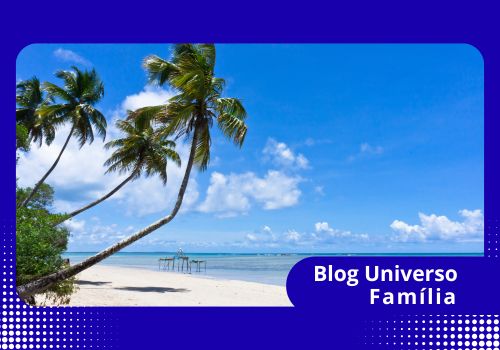
Before traveling, it is important to identify which beaches offer tranquility, good infrastructure, activities for different ages, and natural environments that facilitate coexistence.
Quick summary:
What is a family beach, why is safe tourism growing in Latin America, which countries are leading the way, two real-world examples, current statistics, a comparative table, a clear analogy, and a frequently asked questions section
Why choose destinations with a true family focus?
Traveling through the region means choosing experiences that create a genuine connection. Before you leave, you might ask yourself:
Ads
How can we identify environments that truly prioritize the well-being of children and adults without falling into overcrowded or disappointing places?
Interest in family-oriented beaches has grown strongly in the last decade.
According to the UNWTO, safety and family well-being-oriented recreation tourism grew by almost 191 million metric tons in the region over the past five years, driven by demand for more responsible and less risky experiences.
This trend transformed the way many destinations manage their environment, infrastructure, and services.
Talk about the most family-friendly beaches in Latin America It requires analyzing key factors: accessibility, certified services, cleanliness of the environment, reliable gastronomic offer and safe activities.
It is also worth considering essential details such as moderate waves, designated swimming areas, presence of lifeguards, availability of natural or artificial shade, and options that do not unnecessarily increase the cost of the vacation.
What makes a beach a truly family-friendly destination
A beach suitable for all ages is not defined solely by its beauty.
What makes the difference is usually the combination of safety, ease of movement, and activities designed for those who want to relax without worries.
In many cases, families are looking for a place where children can play freely, while adults enjoy themselves without being constantly on alert.
An interesting point is how the region has made efforts to improve environmental certification and responsible tourism management.
Countries like Mexico, Costa Rica, Colombia, and Brazil have beaches recognized with blue flags or ecological seals that guarantee cleanliness, water quality monitoring, and regulated services.
Something that helps to visualize these types of destinations is a simple analogy:
A family beach functions as a “well-planned coastal neighborhood”where everything is designed for stress-free living, from stable trails to reliable food areas and activities without unnecessary risks.
Leading countries in family beach tourism
Mexico
It remains among the regional leaders thanks to its infrastructure, air connectivity and variety of coastlines.
Cancun, Riviera Maya and Los Cabos are widely known, although several less crowded beaches have become favorites with travelers with children.
Costa Rica
The country stands out for combining lush nature with a deep focus on sustainability.
Many of its beaches maintain gentle waves and controlled environments, ideal for those seeking peaceful holidays.
Brazil
With an extensive coastline, Brazil blends culture, gastronomy and wide open spaces.
Some beaches have environmental certifications that increase safety for those traveling with young children.
Colombia
Regions like Barú and San Andrés have significantly improved their infrastructure, allowing them to welcome families who want to enjoy a warm, clear sea with safe depths.
Two examples of destinations that have earned family trust
Example 1: Carrillo Beach, Costa Rica
Located in the province of Guanacaste, Playa Carrillo is characterized by its controlled waves, light sand, abundant natural shade and a quiet atmosphere that contrasts with more saturated tourist areas.
The absence of large buildings creates a welcoming atmosphere, while easy access from Sámara allows for uncomplicated arrival.
Families who value tranquility consider it a regional gem.
Example 2: Praia do Forte, Brazil
Near Salvador, Praia do Forte has become a classic for its combination of natural pools, pedestrian streets, safe gastronomy and marine conservation projects like the famous Tamar.
For those seeking contact with nature without sacrificing comfort, it is a strategic location.
Here it is common to see girls and boys marveling at fish in clear waters that remain calm for much of the year.
Quick comparison of featured family destinations
The following table summarizes four relevant points for evaluation the most family-friendly beaches in Latin America, based on factors of accessibility, waves, services and activities for different ages:
| Beach / Country | Wave level | Accessibility | Services for families | Recommended activities |
|---|---|---|---|---|
| Carrillo Beach (CR) | Gentle | Easy | Moderate | Picnic, gentle swimming |
| Praia do Forte (BR) | Very soft | Easy | High | Snorkeling, natural pools |
| North Beach, Mexico | Very soft | Average | High | Beach games, walks |
| San Andrés, Colombia | Moderate | Average | Good | Small boats, snorkeling |

Read more: 10 tips for stress-free travel with children
Things every family should consider before choosing
It is advisable to analyze several practical points before booking.
First, check the season: sea conditions can vary, and certain months offer calmer waters and more affordable prices.
In addition, researching whether the beach has active lifeguard stations, designated swimming areas, and reliable restaurants makes a significant difference.
Another aspect that has become relevant since 2023 is accessibility for people with reduced mobility.
More and more destinations are incorporating stable ramps, amphibious chairs and services designed so that everyone can enjoy them without limitations.
Benefits of choosing family-friendly beaches
The biggest benefit is usually peace of mind.
Having spacious, clean and organized environments allows each family member to make the most of their vacation.
There is also an economic advantage: areas designed for families tend to offer more predictable prices, avoiding exorbitant charges or uncomfortable situations.
Added to this is the opportunity to strengthen bonds. A calm sea, clean sand, and a controlled environment facilitate moments of togetherness that will remain in memories for years.
This type of trip is not measured only in kilometers traveled, but in the quality of the time shared.
Practical tips for a perfect experience
Analyze recent reviews to evaluate updated services.
Check the water quality according to public reports or environmental certifications.
It carries a portable shade. if you travel during peak season.
Check if the destination offers activities suitable for your groupsuch as short walks, safe snorkeling, or rest areas.
Compare costs before booking, since some destinations show notable differences between weekdays and weekends.
Conclusion
Choose between the most family-friendly beaches in Latin America It involves much more than selecting a pretty landscape.
It means choosing safe, comfortable environments designed for each member to enjoy themselves without stress.
Countries like Mexico, Brazil, Costa Rica, and Colombia have driven significant changes in infrastructure, sustainability, and accessibility, opening up opportunities for more reliable and enriching travel.
For those who value community, nature and tranquility, the region offers a range of options that can transform a simple vacation into unforgettable memories.
Read more: Most famous theme parks in the USA.
Frequently Asked Questions
What is the best time to visit family beaches in Latin America?
It depends on the country, although many coasts have ideal conditions between December and April, with less rain and clearer waters.
What kind of activities can children do?
Natural pools, supervised swimming, light snorkeling, sand games, and short walks. The key is to choose beaches with calm waters and lifeguards.
How to identify a truly safe beach?
Check if it has environmental certifications, active lifeguards, visible signage, and recent reviews about cleanliness and services.
Is it necessary to book well in advance?
In very popular destinations, yes, especially during school holidays. There is usually more flexibility on less crowded beaches.